





When it comes to maintaining oral health, dental imaging plays a crucial role in helping dental professionals diagnose, treat, and prevent a wide variety of issues.
One of the most common and advanced forms of dental imaging is the panoramic X-ray, a valuable tool that provides a comprehensive view of the teeth, jawbone, and surrounding structures.
If you’re looking for a panoramic X-ray near you, it’s important to understand what it is, why it’s used, and how to find the right provider.
In this article, we will explore what a panoramic X-ray is, its benefits, how to find a provider near you, and things to consider before undergoing this type of imaging.
For additional information on dental imaging and overall oral health, you can visit the National Institute of Dental and Craniofacial Research, which offers valuable insights into the latest dental technologies and research.
What is a Panoramic X-Ray?
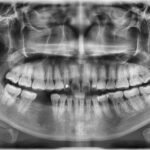
A panoramic X-ray, also known as an orthopantomogram (OPG), is a specialized type of dental X-ray that captures a wide, 180-degree view of the entire mouth area, including the teeth, jawbones, sinuses, and other structures. Unlike traditional X-rays, which focus on specific areas, a panoramic X-ray provides a comprehensive view of the entire dental and facial region in one image.
This imaging technique involves the patient standing or sitting in front of a large machine, while the X-ray machine rotates around the head to capture multiple images in a single pass. The images are then combined to form a panoramic view. The result is an overall snapshot of your dental health, which can be used for a variety of diagnostic and treatment purposes.
Why Are Panoramic X-Rays Used?
Panoramic X-rays are incredibly valuable for dentists, orthodontists, and oral surgeons because they provide a complete picture of the dental and skeletal structures. They can be used for a variety of purposes, including:
1. Diagnosing Dental Issues
A panoramic X-ray allows dentists to assess the overall health of your teeth and jaws, helping to diagnose conditions such as cavities, impacted teeth, jawbone damage, or infections. It can also help detect more serious conditions like tumors, cysts, or lesions.
2. Evaluating Wisdom Teeth
One of the most common uses for panoramic X-rays is to evaluate the position of wisdom teeth, especially for those who are considering extraction. The X-ray can reveal if wisdom teeth are impacted, how they’re positioned, and whether they may cause future issues.
3. Planning Orthodontic Treatment
For patients seeking braces or other orthodontic treatments, panoramic X-rays are often used to assess the alignment of the teeth, the health of the jawbone, and any existing dental problems that may need to be addressed before beginning treatment.
4. Detecting Bone Loss and Jaw Problems
Panoramic X-rays can reveal jawbone issues, such as bone loss caused by gum disease or other conditions. This information is crucial for planning treatments like dental implants or other restorative procedures.
5. Monitoring Post-Treatment Progress
Dentists may also use panoramic X-rays to monitor the progress of a treatment or recovery, such as after a root canal or dental implant surgery. The X-ray helps track the healing of the bones and surrounding tissues.
Benefits of Panoramic X-Rays
There are several benefits of panoramic X-rays that make them an invaluable tool in modern dentistry:
1. Comprehensive View
Unlike traditional dental X-rays, which capture only a small portion of the mouth, panoramic X-rays offer a wide-angle view of the entire mouth. This comprehensive perspective helps dentists spot issues that may not be visible in conventional X-rays.
2. Reduced Radiation Exposure
Compared to traditional bitewing or periapical X-rays, panoramic X-rays generally expose patients to a lower level of radiation. Since the machine rotates around the head in one continuous motion, the amount of radiation needed is minimal, making it a safer option for imaging.
3. Non-Invasive and Painless
Getting a panoramic X-ray is a quick and painless process. The patient simply needs to stand or sit still while the machine rotates around their head to capture the necessary images. Unlike some medical imaging techniques, panoramic X-rays don’t require the use of contrast agents or injections.
4. Time Efficiency
Panoramic X-rays provide a wide range of images in just a few seconds. This makes the process much faster than traditional X-ray techniques, reducing the time spent in the dental chair and speeding up the overall diagnostic process.
How to Find a Panoramic X-Ray Near You
Finding a provider for a “panoramic X-ray near me” is relatively easy, as many dental offices and imaging centers now offer this service. Here are some tips for locating a nearby provider:
1. Ask Your Dentist
If you already have a dentist, the best place to start is by asking them if they offer panoramic X-ray services in-house or if they can recommend a nearby provider. Many dental clinics have the necessary equipment on-site to perform these X-rays, but some may refer you to a specialist or imaging center if they don’t.
2. Search Online
An easy way to find a panoramic X-ray provider near you is by doing a quick online search. You can use keywords like “panoramic X-ray near me” or “dental imaging services [your city or region]” to find nearby clinics and imaging centers. Make sure to read reviews and verify that the clinic is licensed and offers the service you need.
3. Check with Local Imaging Centers
In addition to dental offices, many diagnostic imaging centers offer panoramic X-ray services. These centers specialize in providing various types of imaging for both dental and medical purposes. Contacting these centers directly can help you find a provider who offers panoramic X-ray services in your area.
4. Insurance Provider Listings
If you have dental insurance, check with your insurance provider for a list of covered imaging centers or dental offices that offer panoramic X-rays. Insurance companies often have searchable online directories that make it easy to find in-network providers for specific services.
What to Expect During a Panoramic X-Ray
Undergoing a panoramic X-ray is a simple and quick procedure that typically takes only a few minutes. Here’s what you can expect:
- Preparation: You’ll be asked to remove any jewelry, eyeglasses, or other items that could interfere with the imaging process. Depending on the provider, you may be asked to wear a lead apron to minimize radiation exposure.
- Positioning: You’ll be asked to stand or sit in front of the X-ray machine, and the technician will position your head so that the machine can capture clear images. It’s important to remain as still as possible during the procedure to ensure accurate results.
- The X-ray Process: The machine will rotate around your head in a continuous motion, capturing images from all angles. The procedure is quick and painless, usually taking less than a minute to complete.
- Results: After the X-ray is taken, the images will be processed and analyzed by your dentist or oral healthcare provider. They will review the results and discuss any findings with you, as well as recommend any necessary treatment.
Things to Consider Before Getting a Panoramic X-Ray
Before undergoing a panoramic X-ray, consider the following:
- Pregnancy: If you are pregnant or think you may be pregnant, inform the provider before undergoing any X-ray procedure. While panoramic X-rays typically involve lower radiation than other types of imaging, your healthcare provider may advise against them during pregnancy unless absolutely necessary.
- Insurance Coverage: Check with your dental insurance provider to confirm whether panoramic X-rays are covered. In some cases, insurance may only cover traditional X-rays, and you may need to pay out-of-pocket for panoramic imaging.
- Follow-up Care: Depending on the results of the X-ray, you may need further tests or treatments. Make sure to follow up with your dentist or specialist to address any issues that may be identified.
A panoramic X-ray is an invaluable diagnostic tool in modern dentistry, offering a comprehensive view of the teeth, jaws, and surrounding structures.
Whether you’re undergoing a routine check-up, planning for orthodontic treatment, or evaluating wisdom teeth, a panoramic X-ray can provide essential insights that guide your care.
Finding a panoramic X-ray near you is relatively simple, thanks to many dental offices and imaging centers offering this service.
By asking your dentist, conducting an online search, or checking with your insurance provider, you can easily locate a nearby facility that offers this important imaging service.